Transform Your Visual Projects with Moodboard Grid Templates
Creating a compelling visual story often starts with a collection of ideas, textures, and images. The challenge is presenting them in a way that feels cohesive rather than chaotic. This is where a well-structured Moodboard Grid Photo Collage Templates set becomes an invaluable design asset. It provides the framework you need to arrange inspiration, showcase a color palette, or present a brand's visual identity with clarity and professional polish. Instead of starting from a blank canvas each time, you have a ready-made foundation that guides the viewer's eye and communicates your concept effectively.
These templates are more than just a series of boxes on a page. They are thoughtfully designed compositions that balance positive and negative space, allowing individual elements to shine while contributing to a unified whole. The visual personality is one of modern typography and clean organization, making them suitable for a wide range of projects. Whether you're a designer compiling client references, a small business owner defining your brand's aesthetic, or a blogger creating a seasonal inspiration post, these grids adapt to your needs. The appeal lies in their simplicity and versatility—they are a practical tool, not a decorative constraint.
Where These Templates Truly Shine
The applications for Moodboard Grid Photo Collage Templates extend across nearly every creative field. In brand identity development, they are perfect for presenting logo concepts, color swatches, typography choices, and lifestyle imagery to a client in one cohesive view. For editorial design, they can structure the visual direction for a magazine spread or a blog feature. Packaging design projects benefit from seeing material samples, illustration styles, and mockups arranged together. Even in web design and social media graphics, these grids help plan the visual flow of a website homepage or create engaging Instagram carousels that tell a story.
The real-world value is immense. An entrepreneur can use a template to visualize their entire product line, ensuring consistency before investing in photography. A marketer can quickly assemble a moodboard for a campaign, aligning the creative team on a specific aesthetic. For personal projects, like planning a wedding theme or a home renovation, they offer a simple way to gather and compare ideas. The included file formats—AI, SVG, PNG, EPS, and JPG—ensure you can work seamlessly across different software, from Adobe Illustrator for detailed customization to Canva for quick social media posts.
Practical Guidance for Implementation
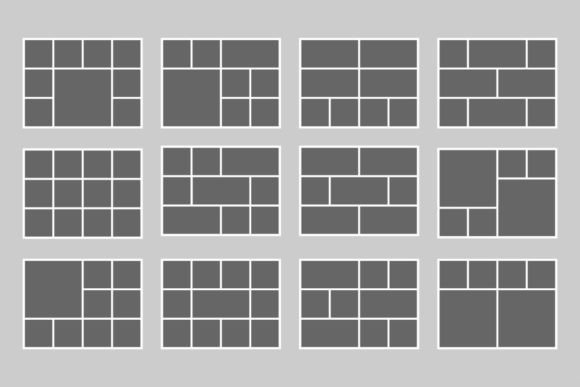
Choosing the right template from the set is your first practical step. Consider the number of images you need to display and the overall shape. A grid with one large central space and smaller surrounding cells works well for highlighting a hero image, while a uniform grid suits a collection of equal-weight elements. Before you begin, define the project's goal. Is the moodboard for internal brainstorming, or will it be presented to a client? This dictates how much explanatory text and branding you might add.
When customizing, think beyond just placing photos. Use the cells to showcase a variety of design assets: a close-up of a texture, a screenshot of a typeface you love, a color chip, or a snippet of a pattern. This creates a richer, more informative board. For logo design projects, you might place the logo mark in the center and surround it with imagery that reflects the brand's values, audience, and market position. The ability to change colors is a significant advantage. Match the template's background and accent colors to your project's palette to create a seamless presentation.
Regarding font pairings for any text you add, the templates themselves are font-agnostic. However, the clean grid structure pairs beautifully with both sans serif fonts for a modern, minimalist feel and serif fonts for a more classic, editorial tone. Avoid overly decorative script fonts or handwritten fonts for body text, as they can clash with the grid's order and reduce readability. If you use a display font for a title, ensure it has enough visual weight to stand out without overwhelming the images. Always test your text additions at a small size to ensure they remain legible when the moodboard is viewed on screen or in print.
Finally, remember that these are premium font and template files, meaning you are investing in a tool that saves time and elevates professionalism. The commercial licensing typically included allows you to use the customized templates in client work, marketing materials, and digital products. This makes them a smart, reusable component of your creative font and asset library. By using Moodboard Grid Photo Collage Templates, you are not just organizing pictures—you are crafting a visual narrative that can strengthen brand perception, improve visual hierarchy, and engage your audience more deeply from the very first glance.