Editable Client Onboarding Templates for Seamless Starts
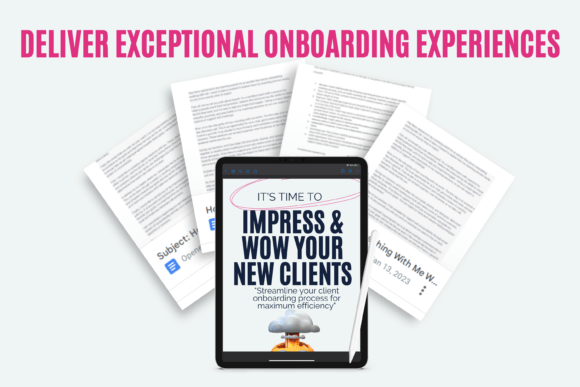
First impressions in business are rarely about the handshake anymore; they are about the packet. When a client signs on the dotted line, the immediate next steps define the entire relationship. If you send a messy email chain, they lose confidence. If you send a cohesive, professional set of documents, they relax. That is exactly where the power of Editable Client Onboarding Templates comes into play. This isn't just a collection of files; it is a strategic design asset meant to streamline your operations while elevating your brand identity. Think of it as the typographic and layout foundation of your client experience, ensuring that every touchpoint—from the initial welcome letter to the final testimonial request—feels intentional, organized, and high-end.
The Anatomy of a Professional Client Experience
The visual characteristics of this template pack are built on the principles of modern typography and clean editorial design. You won't find cluttered layouts or hard-to-read script fonts here. Instead, the design favors a balanced hierarchy using a mix of serif and sans serif fonts to guide the eye naturally from headings to body text. This approach creates a personality that is authoritative yet approachable—exactly what you want when discussing contracts, payment arrangements, and confidentiality agreements. The overall aesthetic is minimalist but warm, relying on white space to make the content breathable. This style is versatile enough to work for a high-end corporate consultant, a creative online coach, or a local service provider. It signals that you value clarity and respect your client's time.
Practicality is the core appeal here. You aren't just getting a "pretty face"; you are getting a functional toolkit. The pack includes everything from a Client Intake Form to a Progress Report and Monthly Review worksheet. Visually, these documents are designed to be easily navigable. The use of bold text for section headers and bulleted lists for instructions ensures that even dense information, like a Code of Ethics or a detailed Service Contract, feels digestible. For the creative professional, this means you don't have to worry about visual hierarchy; it’s already been solved for you. The templates act as a silent partner in your branding strategy, maintaining consistency across every document your client interacts with.
Strategic Applications and Brand Consistency
Where do these templates fit best? The answer is almost everywhere, but the impact is most visible in the realm of brand identity. Consistency is the bedrock of trust. When your Client Intake Form matches the aesthetic of your Invoice and your "How Coaching with me works" email, you create a seamless ecosystem. This is crucial for web design consultants, brand strategists, and online coaches who need to project stability. Imagine a potential client receiving a beautifully designed Welcome Letter followed by a chaotic, unformatted contract. The cognitive dissonance can break the deal. These templates ensure your documentation aligns with your logo design and overall market positioning.
Beyond the digital realm, these documents function as powerful design assets for print design. If you prefer to hand physical binders to clients during in-person meetings, the clean layout ensures high-quality printing without ink bleed or readability issues. The typography choices are optimized for both screen and paper. For marketers and social media managers, the structure of the templates can even inspire the layout of digital proposals or pitch decks. The "Holding you accountable" email and "Client Testimonial Request" templates are particularly valuable for maintaining the relationship post-sale, turning a transactional experience into a long-term partnership. It’s about using design to facilitate communication, not just decoration.
Customization: Making the Template Your Own
While the templates provide a robust structure, they are designed to be flexible. Available in Google Docs, they are accessible and easy to edit, removing the barrier to entry for those who aren't proficient in complex design software like Adobe InDesign. However, to truly make these your own, you should consider the font pairing and color palette. The default typography is a premium font stack, usually featuring a clean sans serif font for body copy to maximize readability and a distinct display font or serif font for headers to add a touch of elegance.
If you decide to swap the fonts, stick to the rules of modern typography. Avoid using a handwritten font for legal text or dense instructions; reserve script fonts for decorative accents like your name or a "Welcome" banner to maintain that professional edge. When evaluating the fit for your project, test the readability on both mobile and desktop devices. A good commercial font pairing should be legible at small sizes for the fine print in your Confidentiality Agreement. Ultimately, this client onboarding template pack is a starting point. By injecting your specific brand colors and perhaps a submark logo, you transform a generic professional template into a bespoke brand identity tool that sets the tone for a successful, organized, and visually cohesive working relationship.